2026–2027 Season
CALculated Risk
FIRST Tech Challenge Team #30628
Christian Academy of Louisville
Year two. Growing the team. Looking for community partners.
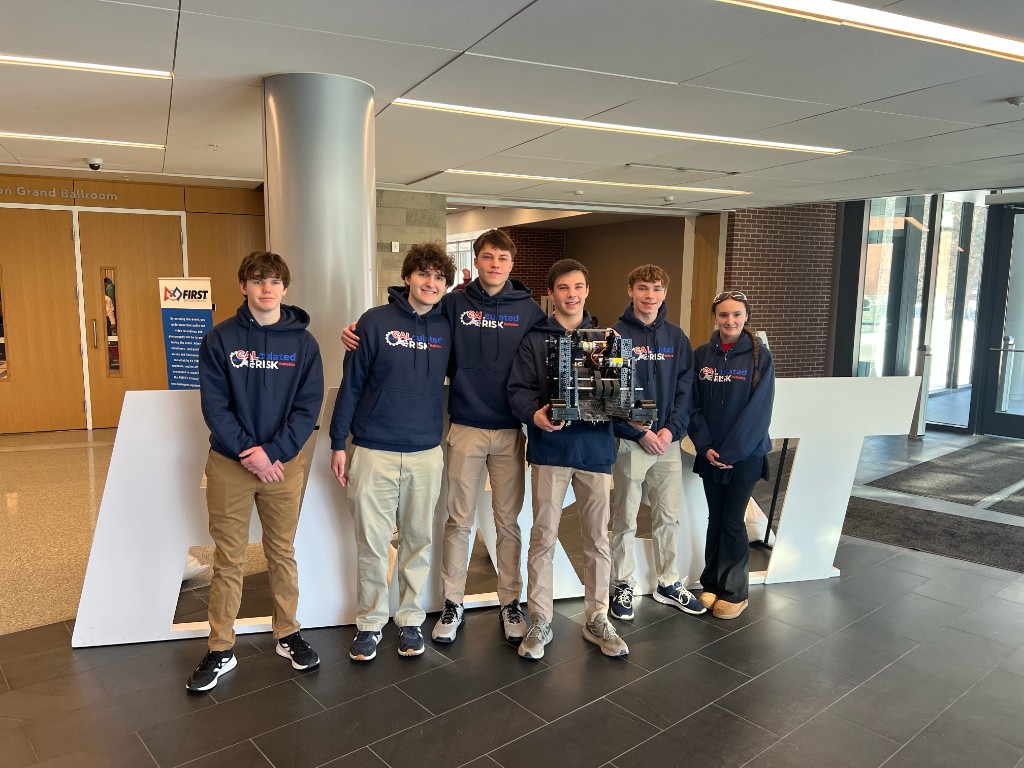
FIRST Tech Challenge Team #30628
Christian Academy of Louisville
Year two. Growing the team. Looking for community partners.
We are a FIRST Tech Challenge robotics team representing Christian Academy of Louisville. Our team name combines our school nickname, CAL, and the risks involved with robot engineering.
Founded by six students in Spring 2025, we completed our first competitive season and won the Sustain Award at the Kentucky State Championship. In 2026–2027 we are building on that start: recruiting new members and finding sponsors so more CAL students can learn engineering, coding, and teamwork.
Returning members include Jax, Drew, Dustin, Nolan, Brady, and Carly, with Coach Mr. Heishman. We are actively growing the roster for year two.
We want more students on build, code, CAD, driving, and outreach — no prior robotics experience required.
Community support funds parts, tools, travel, and a larger team. Last year’s partners helped us get on the field; this year we need to keep growing.
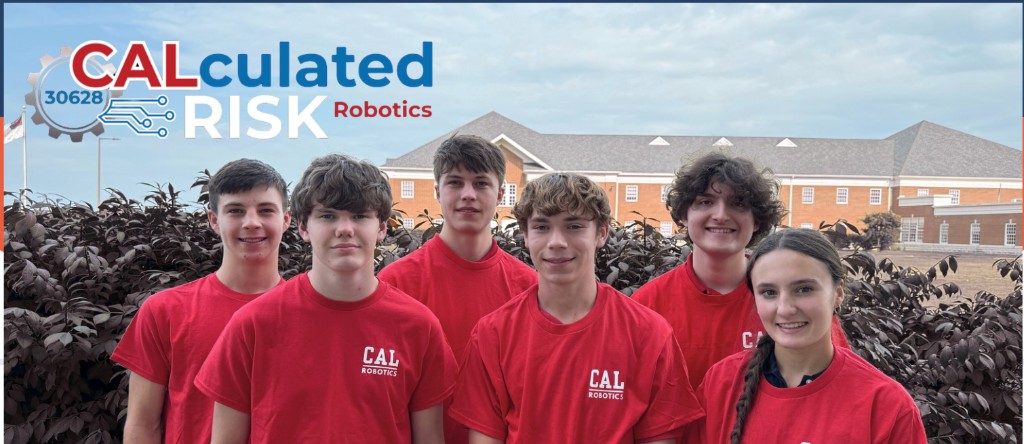
Our first year took us from a spring training robot to the Kentucky State Championship — and then on to an international Premier event this summer.
Judges recognized our plan for recruitment, fundraising, and long-term growth. This season we are putting that plan to work: bringing in new members and new sponsors.
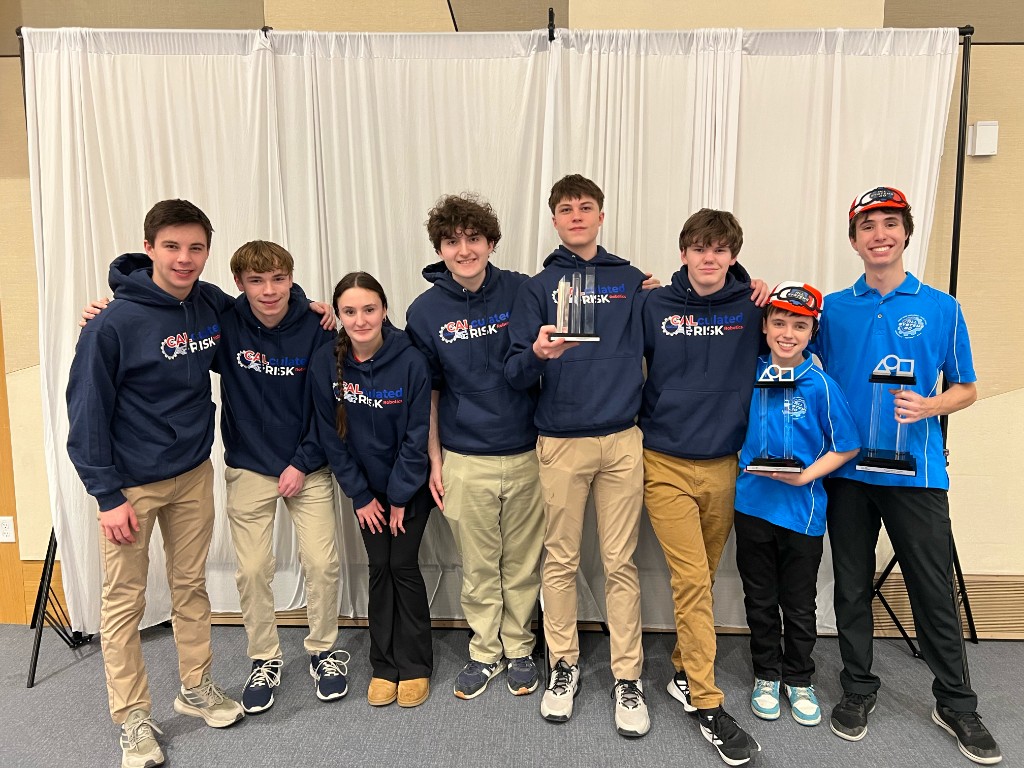
We qualified out of Kentucky and competed this summer at the Canada Cup of Robotics in Niagara — an official FIRST Tech Challenge Premier Event hosted at Canada Games Park in St. Catharines, Ontario. The event brought championship-level teams from around the world together for four days of competition in June 2026.
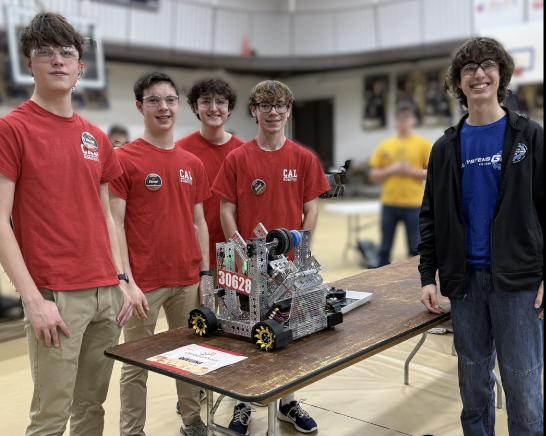
After organizing in spring 2025, we learned FTC build and programming basics, then iterated through three robot designs — from a two-ball prototype to a three-ball shooter with custom parts, odometry, and auto aim.
Mentors from FTC team All Systems Go and a Purdue engineering alumnus helped us get competition-ready. After the regular season we kept improving the robot, then represented CAL at the Canada Cup of Robotics.
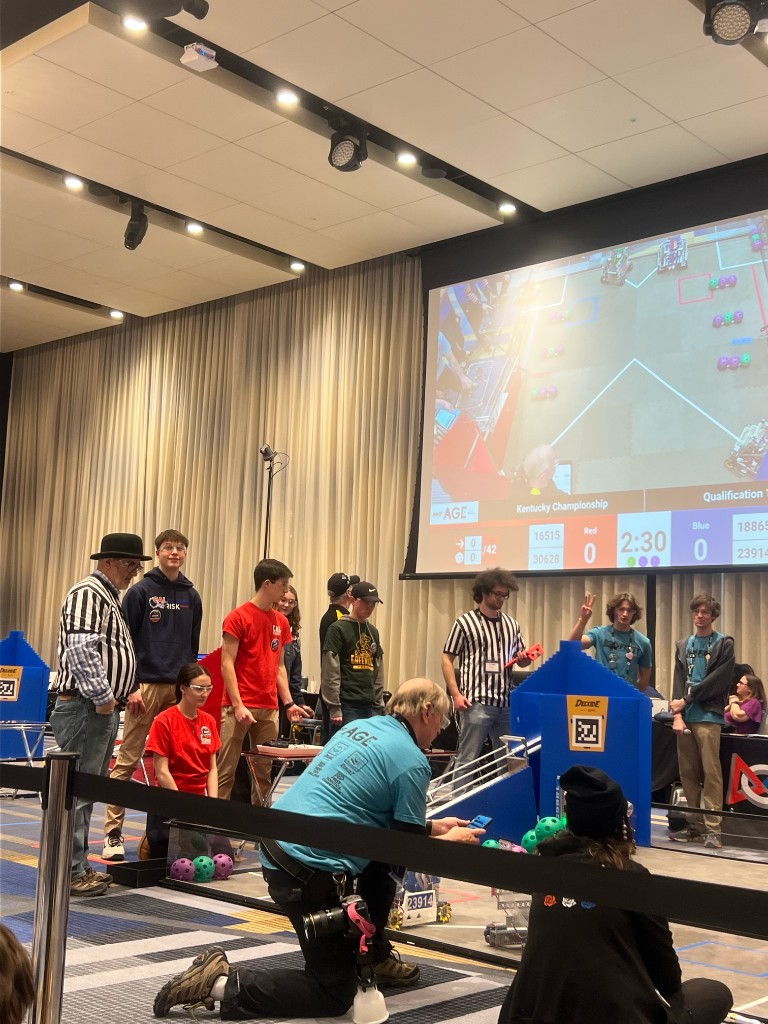
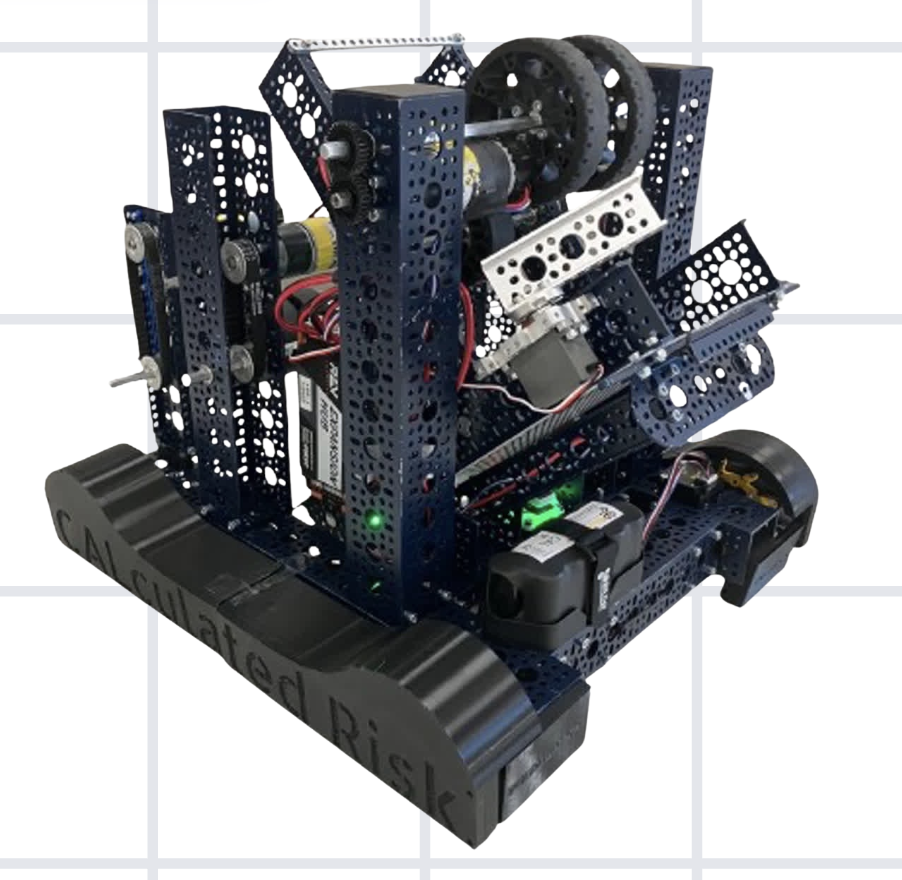
Team #30628 — built and refined across our first competitive season, ready for 2026–2027.
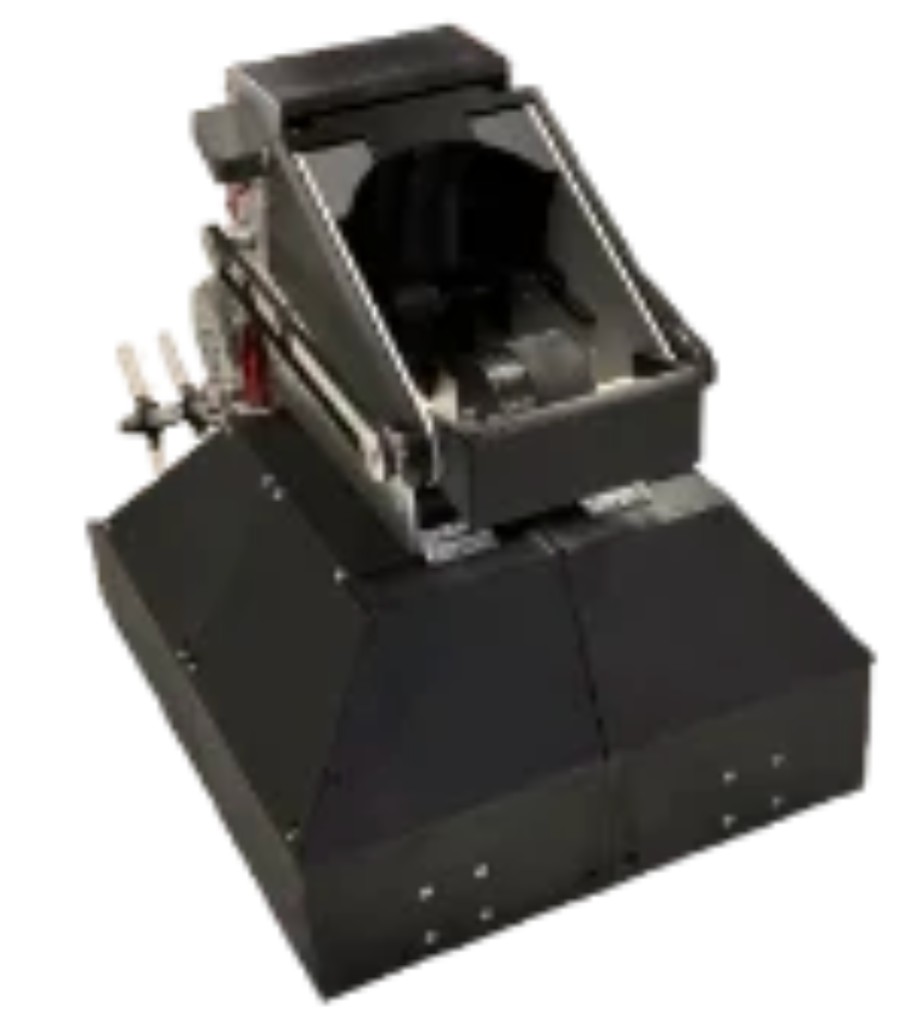
Motor-mounted flywheel launches balls using a pinch-like force. A hood alters the outtake angle for different shooting positions.
Servo-mounted gate is a failsafe to prevent premature ball release, 3D-printed for precision.
Two belted motors drive Gecko wheels and surgical tubing to transfer balls from intake to flywheel. Stores three balls for maximum scoring.
Three Gecko wheels with surgical tubing powered by a belted motor intake balls quickly and efficiently.
GoBilda 4-bar pods paired with a Pinpoint IMU provide reliability during autonomous routines and hood positioning.
Mecanum wheels powered by 4× 435 RPM motors allow omnidirectional movement for easy field positioning.
We added GoBilda 4-bar Odometry Pods and a Pinpoint computer after our first league meet. Odometry was a game changer — making our autonomous routines more effective and accurate.
When parking and shooting, going fast was hurting us. We created a slow mode activated by a controller button, allowing more precise movement during critical moments.
Our custom program uses PID + feed-forward to maintain flywheel velocity. Two preset speeds let us shoot from almost anywhere on the field at the press of a button.
We modeled our controller after video games so new drivers can pick it up quickly — useful as we bring more students onto the team.
Last season we introduced FIRST to our school and community. This year we are using those same events to recruit students and talk with potential sponsors.
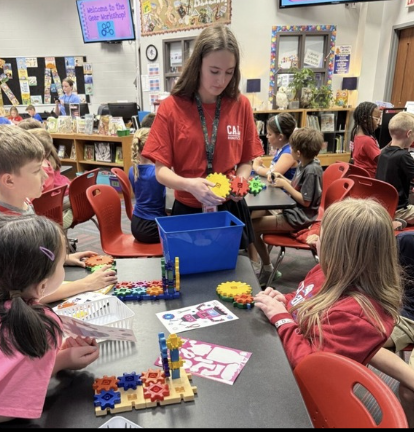
We teamed up with All Systems Go to present a STEM workshop to 46 second graders, teaching how gears transfer power into motion through hands-on activity stations.
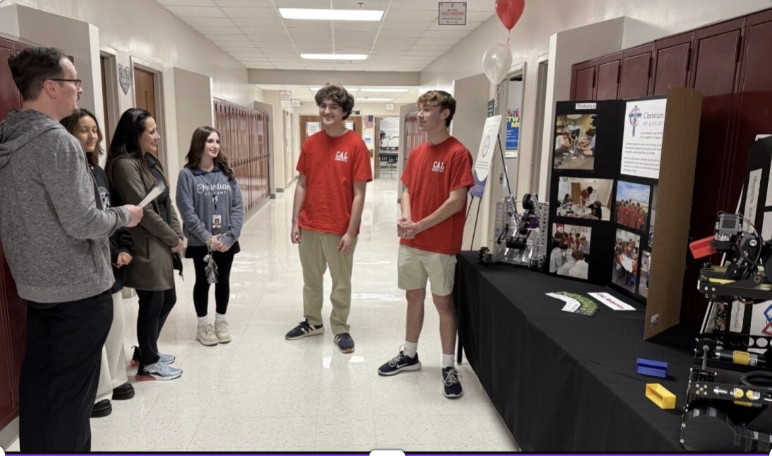
We staffed a booth at our school's open house, sharing our team and FIRST with over 50 people.
We hosted a meeting for middle school students to introduce them to FTC and let them drive our robot. Growing that pipeline is a priority again this season.
We met in person to learn from his experience, discussed his career path, and learned how his chemical engineering degree opened doors to many different positions.
Runs the engineering program at Christian Academy and supports our robotics team with design reviews and mentorship.
FTC SIM, Dow, and Old National Bank helped launch our first season. We are grateful — and we are looking for partners to grow with us in 2026–2027.
We are a second-year team expanding the program. Your donation funds robot parts, tools, competition fees, outreach, and the extra supplies a larger roster needs.
A competitive FTC season still takes a real budget — and a growing team needs more parts, apparel, and travel. Here is what a year costs:
| Expense Category | Description | Estimated Cost |
|---|---|---|
| FIRST Registration | Annual team registration with FIRST | $275 |
| League & Event Fees | League meets, qualifiers, and state championship entry | $400 – $800 |
| Robot Parts & Components | Motors, sensors, goBilda parts, wheels, electronics, and build materials | $2,500 – $4,000 |
| Tools & Workshop Supplies | Hand tools, soldering equipment, fasteners, and shop consumables | $500 – $1,000 |
| 3D Printing & Custom Parts | Filament, CAD-designed wheel guards, gates, and custom brackets | $200 – $400 |
| Competition Travel | Transportation, meals, and lodging for away events | $500 – $1,500 |
| Team Apparel | Competition shirts, pit display materials, and team branding | $300 – $500 |
| Outreach & Recruitment | Workshop materials, display boards, and demo field supplies | $200 – $400 |
| Estimated Annual Total | $4,875 – $8,875 | |
Your donation funds robot parts, tools, and supplies for a growing CAL robotics program. Thank you for considering a donation to CALculated Risk.
Contact Us to Sponsorbheishman@caschools.us